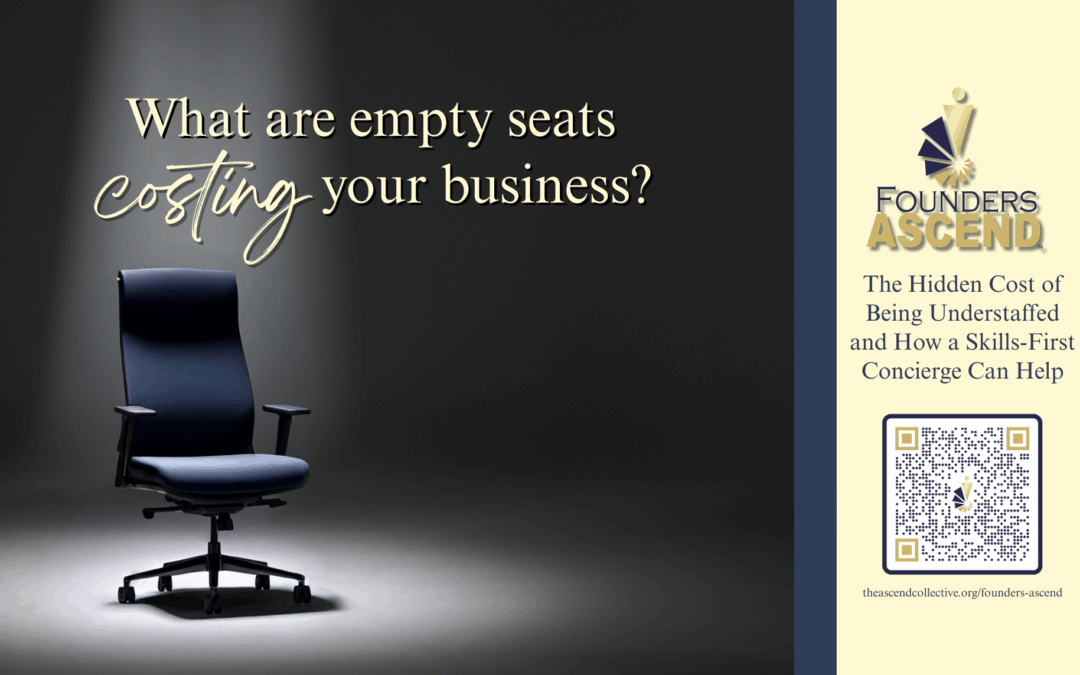
According to Business.com, hiring challenges are a top concern for 24% of business leaders, and 80% of small businesses are understaffed by an average of five employees. Even more concerning, those missing roles are in growth-driving areas like sales, IT, and marketing — the very functions that fuel expansion and revenue.
The True Cost of Being Understaffed
Understaffing doesn’t just create extra work; it erodes a company’s long-term growth potential. The costs show up in ways that are often overlooked:
-
Lost Revenue Opportunities – Without enough salespeople, deals don’t close. Without IT staff, systems stall. Without marketers, leads dry up.
-
Employee Burnout – Existing staff take on extra responsibilities, leading to stress, lower morale, and higher turnover.
-
Delayed Innovation – Critical projects stall because the right talent isn’t in place to move them forward.
-
Customer Experience Decline – Service and responsiveness suffer when teams are stretched too thin.
For small businesses especially, being short even a handful of employees can mean the difference between scaling successfully or struggling to stay afloat.
Why Traditional Hiring Isn’t Working
Many businesses are still stuck in outdated hiring models that focus on résumés, degrees, or rigid job titles. The result? Great candidates get overlooked, and roles remain unfilled far longer than they should. In a competitive talent market, businesses can’t afford to waste time.
The Skills-First Concierge Advantage
A skills-first concierge approach flips the model. Instead of starting with résumés and job postings, it begins with skills — what candidates can actually do. By focusing on verified skills, transferable strengths, and potential, businesses can:
-
Uncover Hidden Talent: Many candidates have the right skills but don’t check the traditional boxes.
-
Fill Roles Faster: Matching on skills, not titles, accelerates the hiring process.
-
Drive Growth Sooner: Critical sales, IT, and marketing positions get filled with capable professionals who can deliver from day one.
-
Future-Proof the Workforce: A skills-based model makes it easier to adapt to new technologies and evolving business needs.
The Bottom Line
Understaffing is costing small businesses far more than salaries — it’s costing growth, innovation, and employee well-being. A skills-first concierge offers a smarter, faster, and more inclusive way to close the talent gap.
If 80% of small businesses are understaffed, the solution isn’t just hiring faster — it’s hiring better. And that starts with skills.
Learn more about the ways you can give back.